For cyclists, Sweden is usually associated with one thing: Vätternrundan. A 315 kilometer ride through the night, rolling past lakes, forests, and small towns, with thousands of riders moving like a slow, determined river around one of Scandinavia’s largest lakes. But in Sweden, that ride is rarely seen as a standalone achievement. It is one quarter of something much bigger.
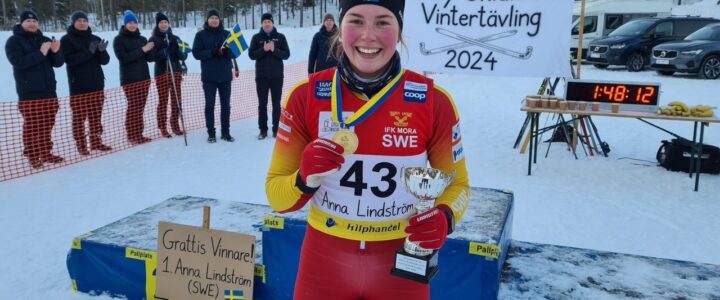
The Swedish Classic, or En Svensk Klassiker, is a year long endurance challenge built around four disciplines: skiing, cycling, swimming, and running. To complete it, you have to finish Vasaloppet, Vätternrundan, Vansbrosimningen, and Lidingöloppet within a 12 month period.
From a cycling perspective, that context changes how you see Vätternrundan. It is not just a long ride. It is the cycling leg of a broader test of endurance and consistency. And unlike most endurance challenges, it is not built around peak performance. It is built around continuity.
The idea behind the Swedish Classic dates back to the late 1960s, when Swedish organizers began linking already established mass participation events into a single challenge. By the early 1970s, the structure was finalized and the first official finishers were recognized. The races themselves were older. Vätternrundan started in 1966 as an experiment in long distance cycling around Lake Vättern. Vasaloppet, the ski race, dates back to 1922 and is now the oldest and largest cross country ski race in the world.
What the Swedish Classic did was combine these independent events into a single narrative. Not four races, but one continuous effort stretched across seasons. Ski in winter, ride in early summer, swim in mid summer, run in autumn. You are never really done. As soon as one discipline ends, the next one starts.
For cyclists, that creates a very different type of motivation. Vätternrundan is already one of the longest organized rides in the world at 315 kilometers. On its own, that is a major achievement. But inside the Swedish Classic, it becomes a checkpoint rather than a finish line. Riders arrive with months of training behind them and months still ahead. You are not tapering into a peak. You are managing your body for the long haul.
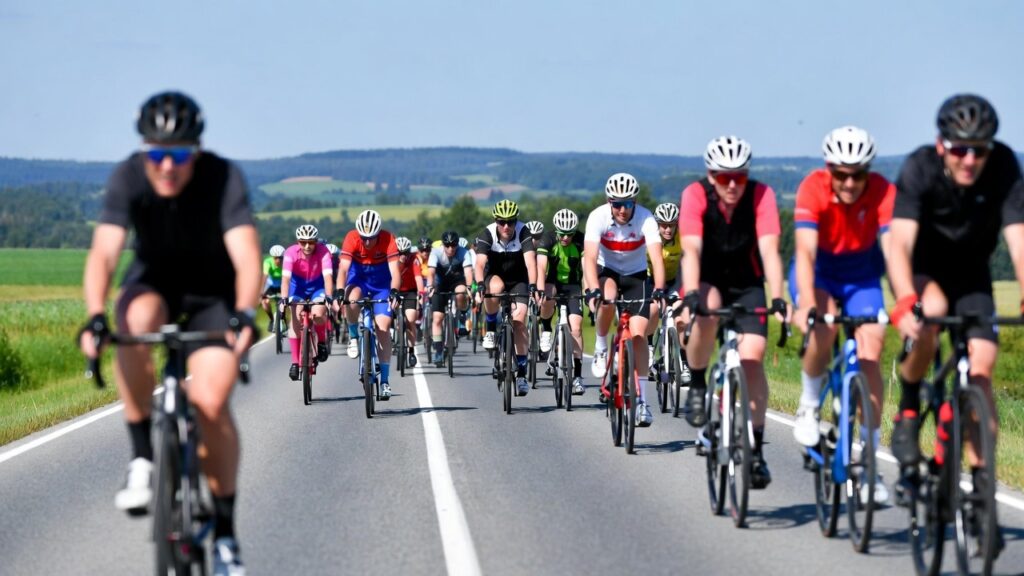
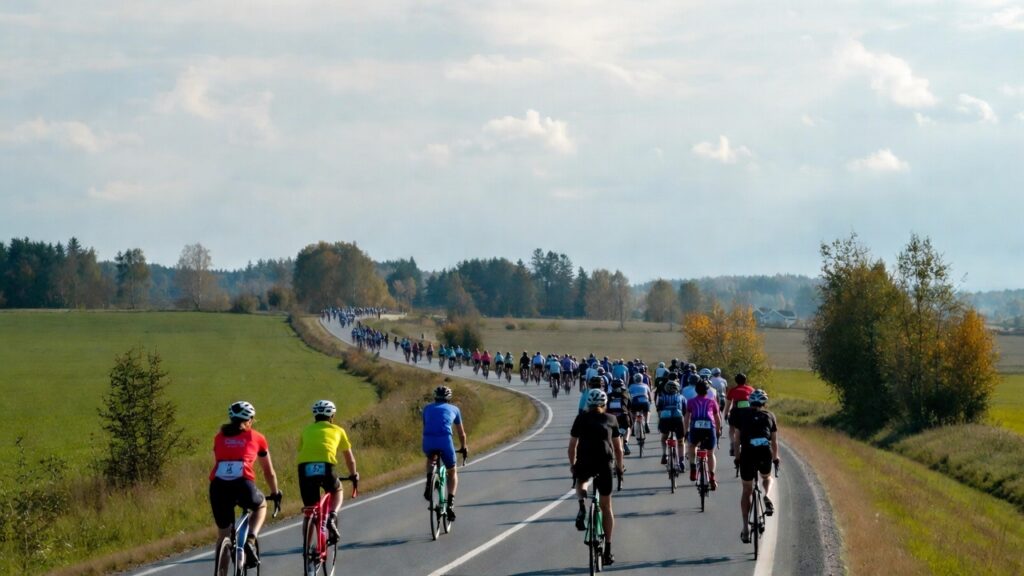
That mindset shows in how the event is ridden. While there are elite riders chasing times, a large part of the field rides through the night at a steady pace, focused on completion rather than competition. Groups form organically, riders share turns in the wind, and the experience becomes as much about endurance strategy as raw strength. It feels closer to long distance riding culture than a traditional race, even though the scale is far larger.
Scale is part of what defines both Vätternrundan and the Swedish Classic. These are not niche endurance events. They are mass participation races with tens of thousands of riders, runners, swimmers, and skiers. The infrastructure is built around volume, not exclusivity. Feed stations, logistics, and organization are designed to move large groups of amateur athletes through demanding environments.
That accessibility is key to understanding why the Swedish Classic has endured. You do not need to be elite to attempt it. But you do need discipline. Completing all four events requires sustained training across different sports, recovery management, and the ability to stay consistent over an entire year.
From a cycling enthusiast’s perspective, what stands out is how this challenge reshapes the meaning of endurance riding. In many cycling cultures, the goal is a single defining ride. A gran fondo, a mountain climb, or a race result. In Sweden, the bike becomes part of a larger system. Your performance on Vätternrundan matters, but only as one piece of a bigger puzzle.
That also changes how people talk about it. Completing the Swedish Classic carries a kind of quiet prestige in Sweden. It signals not just fitness, but consistency and planning. It is not about winning. It is about finishing all four disciplines within the time frame.
Over time, the concept has expanded. There are shorter and more accessible versions, making it possible for more people to take part. Still, the full distances remain the benchmark, and completing the original version is what people generally refer to when they talk about doing it.
For riders outside Sweden, the Swedish Classic offers a different lens on endurance sport. It shifts the focus from peak output to sustained effort, from single day performance to year long commitment. And it places cycling in a broader context, where the hardest ride of your season is just one chapter in a much longer story.
If you line up at Vätternrundan as part of that story, the experience changes. The distance is the same, the roads are the same, but the meaning is different. You are not riding toward a finish. You are riding through the middle of something that started months ago and will not end until long after you roll back into Motala.